-
Thank you for visiting HeavyEquipmentForums.com! Our objective is to provide industry professionals a place to gather to exchange questions, answers and ideas. We welcome you to register using the "Register" icon at the top of the page. We'd appreciate any help you can offer in spreading the word of our new site. The more members that join, the bigger resource for all to enjoy. Thank you!
You are using an out of date browser. It may not display this or other websites correctly.
You should upgrade or use an alternative browser.
You should upgrade or use an alternative browser.
Pond cleaning with excavator
- Thread starter Shimmy1
- Start date



Coastiebro
Active Member
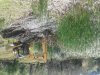
sorry about that seems sending some from the bottom of the world stay wrong way up??

Coastiebro
Active Member
Maddog that's the tricky bit to make water run up hill! I'm sure there are a few out there that have had that request.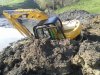
Doesn't all go to plan some days!
Doesn't all go to plan some days!
Coastiebro, had a guy this past summer that wanted a ditch dug, wanted the water to go up hill from his drive. I asked, you do understand water will find it's own level, won't run uphill, he said try it anyway, I think it'll work. Good thing he doesn't design septic systems.
Getting stuck is just one of those things, makes life interesting
Getting stuck is just one of those things, makes life interesting

John Shipp
Senior Member
Tidy cat there with the ROPS, is that a 312D coastie mate?

CM1995
Administrator
- Joined
- Jan 21, 2007
- Messages
- 16,090
- Location
- Alabama
- Occupation
- Running what I brung and taking what I win
Coastiebro, had a guy this past summer that wanted a ditch dug, wanted the water to go up hill from his drive. I asked, you do understand water will find it's own level, won't run uphill, he said try it anyway, I think it'll work. Good thing he doesn't design septic systems.
Ha! If I could do that I'd be posting from my 300' yacht somewhere.
Tidy cat there with the ROPS, is that a 312D coastie mate?
I'd say 311 CU.
Coastiebro
Active Member
Gudday, Yep prize goes to Cm1995. Its a CAT 311Cu. I have had it 3 years and has been a great machine so far, with the tilt bucket and thumb not much you can't get done.
Happy New Year to all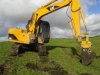
Happy New Year to all
Shimmy1
Senior Member


Shimmy1
Senior Member
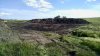
Dozerman, I was just reading through the thread again and saw your post. It reminds me I need to give some credit. After discussion on other threads last summer, the idea of digging a trench came up a few times. I actually did that on the last hole last winter, and on the one today. That is the slickest way to manage the slop, as long as the ground is stable enough. If it isn't, you'll make that entire side completely unusable. As far as the credit part, being on this forum gave me the details on doing it that way. I'm sure if I tried to name all the guys that weigh in on pond cleaning I'd forget some, so, you guys know who you are and thanks for being a part of this.Nice work! If you want to try another way? After pumping the water out try digging a barrow pit (deep) or trenches next to pond putting the dry stuff on top then put all the slop in the barrow pit about 1/2 way up or so and cap it with dry stuff. I have done a lot of ponds on golf courses and farm land this way, much more fun grading dryer stuff.
Shimmy1
Senior Member
Coastie, you ever consider putting 30" pads on that little guy? I'll bet you could just about walk on water with wide pads.
Shimmy1
Senior Member

Shimmy1
Senior Member


Landclearer
Senior Member
Hey Shimmy, looks good, how much muck did you take out of the bottoms? How long does it take for it to dry up enough to be able to work with it once out of the hole?
Shimmy1
Senior Member
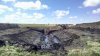
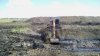
First thing I do it dig a sump in the middle. The last one, the one I had the skidder parked in, had about 2½' of water in it. While it was pumping, I started pulling spoil banks back. About 3 hours, the pump was done with the first shot. After about 2 more hours of pulling bank and digging my slop trenches, I was able to pump for another half-hour and that was it. Drag the pump out, and start digging. If you have one end that's a little deeper than the other, that's where I start. After you get the water out, the muck is surprisingly easy to handle. It's been very dry here, so once the standing water is out you can go right to work. This one had almost 6' in the middle, the one before that had about 5'. I have at least one, hopefully more to do, so I'll try and get more of the process how I do it. Like I said in post #50, being part of this forum and getting ideas from the guys that have figured out the best way to go about it has been crucial to getting these tanks cleaned up so well.Hey Shimmy, looks good, how much muck did you take out of the bottoms? How long does it take for it to dry up enough to be able to work with it once out of the hole?
Landclearer
Senior Member
Thanks for the explanation on how you do you ponds. I guess it gets pretty uncomfortable sitting on the slope when you are digging the bottom out. I was surprised when you said 5 and 6 feet of muck. I thought it would have been a couple feet but I guess it depends on how long since it was last cleaned out.
Please do post pics of the next one. It will be interesting to see it from start to finish.
Please do post pics of the next one. It will be interesting to see it from start to finish.
Shimmy1
Senior Member
Most of these ponds have never been cleaned out, and they were dug with draglines in the Sixties. This last one was completely covered with rocks, and they were big rocks, not stones. Anywhere from 18" to 36", and there were a few in the spoil banks that I couldn't pick up with the hoe. I'm curious as to how big the dragline was to get those out of the hole, and how long it took to dig one of these. Trouble is, the operators that did it are long since gone, and the owners were just kids, or not even born when these tanks were dug. The good thing is, since I've been getting the ponds as good or better than they were new, I'm suggesting that they fence the holes so the cattle can only access about 3' of surface area of water on one end. That way the cows won't tramp the sand shut where the water comes in, and they won't pollute the water either.
Last edited:

farmerlund
Senior Member
That's some nice looking stock pond work Shimmy.:thumbsup
Landclearer
Senior Member
Not sure on how big of dragline was used. I would say a small machine like a 22B until you said there were that big of rocks in the pile. It would have had to have been a big machine to dig from one side. Can you tell if it was dug from both sides?